
DE|RIVE Hair Restoration in Savannah, Georgia
Hair thinning is no longer something patients in Savannah are willing to ignore or simply...

Hair Restoration Savannah understands male hair loss and offers comprehensive hair loss solutions for men. Neograft hair transplant, strip hair transplant, prescription medicine, and PRP therapy are proven to be effective options for men suffering from hair loss.
Hair grows about an inch every couple of months. Each hair grows for 2 to 6 years, remains at that length for a short period, then falls out. A new hair soon begins growing in its place. At any one time, about 85% of the hair on your head is in a growing phase and 15% is not.
Each hair sits in a cavity in the skin called a follicle. Baldness in men occurs when the follicle shrinks over time, resulting in shorter and finer hair. The end result is a very small follicle with no hair inside. Ordinarily, hair should grow back.
In men who suffer from male pattern baldness, the follicle fails to grow new hair. Why this occurs is not well understood, but it is related to your genes and male sex hormones. Even though the follicles are small, they remain alive, suggesting the possibility of new growth. This is why PRP Therapy in conjunction with hair transplantation proves to be an effective method to grow lost hair back.
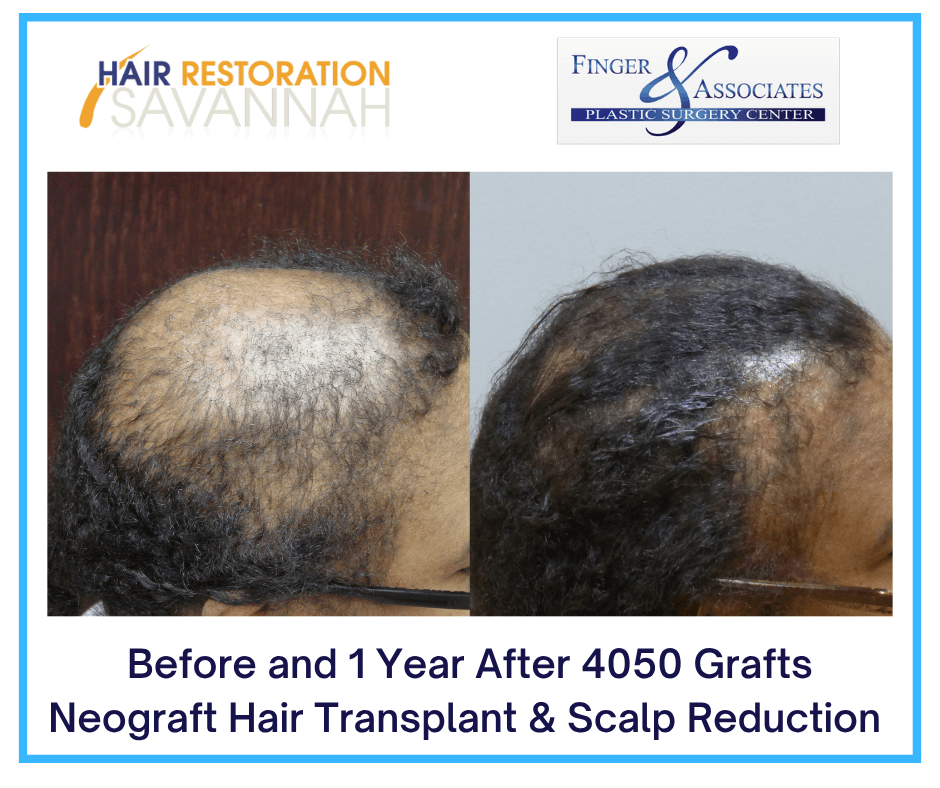


Classic male pattern baldness is usually diagnosed based on the appearance and pattern of the hair loss. Any atypical hair loss may be caused by other medical disorders. A skin biopsy or other procedures may be needed to diagnose other disorders that cause loss of hair. By age 35, two-thirds of American men will have some degree of appreciable hair loss and by age 50 approximately 85% of men have significantly thinning hair. About 25% of men who suffer from male pattern baldness begin the painful process before they reach 21 years of age.
Dr. Finger himself became very interested in hair loss in males, as he found his own hair thinning. Hair Restoration Savannah is unique because they were the first in Savannah Georgia to offer NeoGraft, after offering the strip-method for years.
Male pattern baldness does not indicate a medical disorder, but it may affect self-esteem or cause anxiety. The hair loss is usually permanent. Hair loss affects every aspect of a man’s life. life. It affects interpersonal relationships as well as the professional life. If you are interested in hair restoration don’t wait, we can help you permanently restore lost hair.
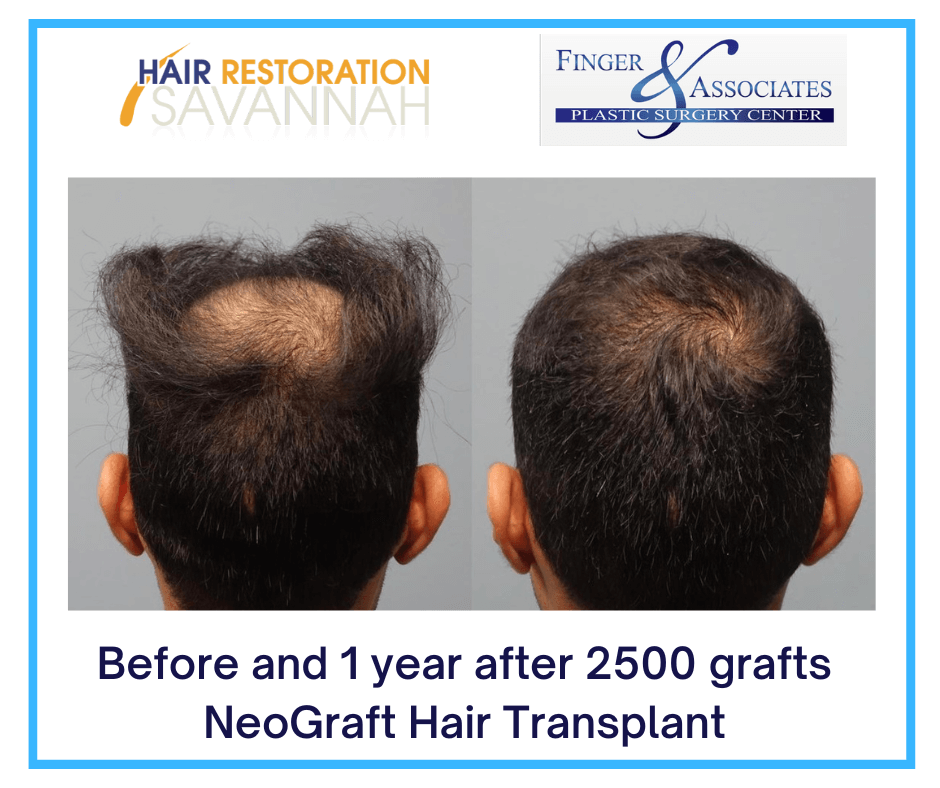
Male pattern hair loss is most commonly caused by genetics and sensitivity to dihydrotestosterone (DHT), a hormone that can gradually shrink hair follicles and shorten the hair growth cycle.
Many men notice a receding hairline, thinning at the crown, increased shedding, reduced density, or more visible scalp.
Physical or emotional stress may contribute to temporary shedding, although genetic male pattern baldness remains the most common cause of long-term hair loss.
Early treatment often provides more options for preserving existing hair and slowing progression.
Many men benefit from non-surgical treatments such as PRP therapy, exosome therapy, physician-directed medications, and regenerative hair restoration protocols.
Candidates generally have sufficient donor hair, realistic expectations, and a pattern of hair loss suitable for transplantation.
NeoGraft is an advanced Follicular Unit Extraction (FUE) procedure that harvests individual follicles and transplants them into thinning areas without creating a linear scar.
NeoGraft uses individual follicle extraction, while FUT removes a donor strip from the scalp. Both procedures may be effective depending on the patient’s goals and donor availability.
The best method depends on your hair loss pattern, donor hair supply, desired density, and long-term treatment goals.
Modern hair transplantation is designed to recreate natural hairline design, density, and growth patterns.
The number of grafts varies based on the degree of hair loss, treatment area, donor availability, and desired outcome.
Most procedures are completed in a single day, although treatment times vary based on the number of grafts.
New growth often begins within three to four months, with continued improvement throughout the first year.
Transplanted follicles are generally resistant to DHT-related hair loss and are considered long-lasting.
PRP may help support follicle health, improve scalp circulation, and strengthen existing hair.
Yes. Many patients combine transplantation with regenerative therapies as part of a comprehensive hair restoration plan.
Hair loss can continue in non-transplanted areas, which is why ongoing maintenance therapies may be recommended.
Many patients return to work within several days depending on the procedure performed and individual recovery.
Hair restoration can be appropriate for younger and older adults, depending on hair loss stability and treatment goals.
Dr. Finger develops individualized treatment plans that may include NeoGraft FUE, FUT transplantation, PRP therapy, and other advanced hair restoration options based on each patient’s needs.
Hair thinning is no longer something patients in Savannah are willing to ignore or simply...
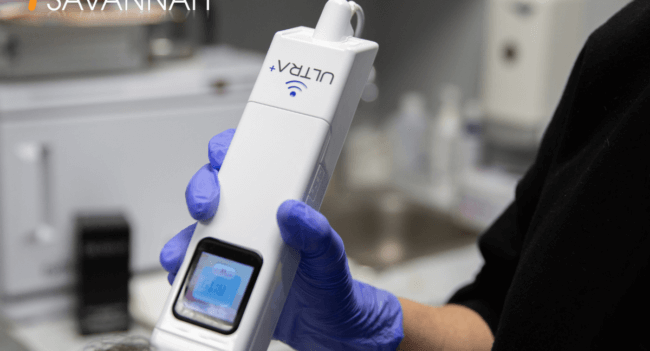
Hair loss can affect men and women at any stage of life, and effective treatment...

The No Shave No Hassle NeoGraft Hair Restoration Method at Hair Restoration Savannah offers a...
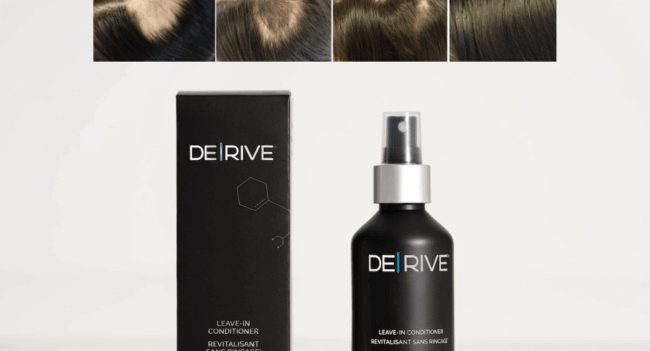
At Hair Restoration Savannah, Dr. E. Ronald Finger and his team continue to bring patients...

Discover Derive Hair Growth Treatment at Hair Restoration Savannah with Dr E Ronald Finger. Plant...

Discover comprehensive hair restoration in Savannah with Dr E Ronald Finger. The clinic pioneered NeoGraft...

Hair loss affects millions of people every year and can impact confidence, appearance, and overall...

Explore proven hair restoration for men in Savannah with Dr E Ronald Finger. From precise...

Hair thinning in women is more common than most people realize, and it often begins...

Hair loss affects more women than you might realize. If your part is getting wider,...

NeoGraft Hair Restoration in Savannah, GA: Long-Lasting Results for Men and Women Hair loss affects millions...

Hair loss is a common concern affecting both men and women, leading many to search...

Summer in Savannah is all about sunshine, outdoor adventures, and feeling your absolute best. If...
Hair loss affects millions of women and men each year, and for many people, the...

Hair thinning often becomes more noticeable during the summer months in Savannah, Georgia. Heat, humidity,...