

Hair loss affects millions of women and men each year, and for many people, the changes become more noticeable during midlife. Thinning hair, increased shedding, a widening part, and decreased hair density are often linked to factors such as genetics, hormonal changes, stress, medical conditions, nutritional deficiencies, and the natural aging process.
At Hair Restoration Savannah, we understand that hair loss is more than a cosmetic concern. It can affect confidence, self-image, and overall quality of life. Because every patient experiences hair loss differently, successful treatment begins with a comprehensive evaluation to identify potential contributing factors and develop an individualized treatment plan. Patients seeking Hair Restoration Savannah services often want answers about why their hair is thinning and what treatment options are available. Modern hair restoration techniques continue to evolve, offering more options than ever before for individuals experiencing hair loss, thinning, or reduced density.
Whether you are noticing early signs of hair thinning or have been struggling with hair loss for years, understanding the underlying cause is an important first step toward healthier, fuller-looking hair. Hair loss is often associated with men, but millions of women experience thinning hair, increased shedding, or noticeable changes in hair density as they enter their 40s, 50s, and beyond. For many women, hair is closely connected to confidence and self-image. Seeing more hair in the shower drain, noticing a widening part, or struggling to achieve the same volume can be frustrating and even emotionally distressing. The good news is that hair loss in women is common, and understanding the underlying cause is often the first step toward finding an effective solution.
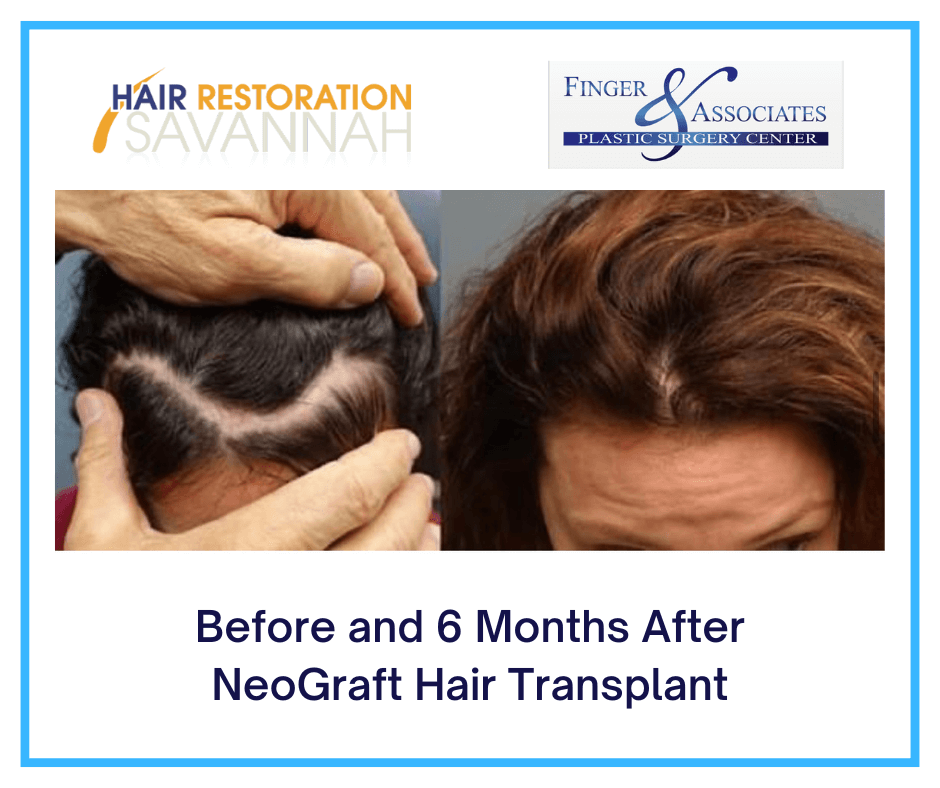
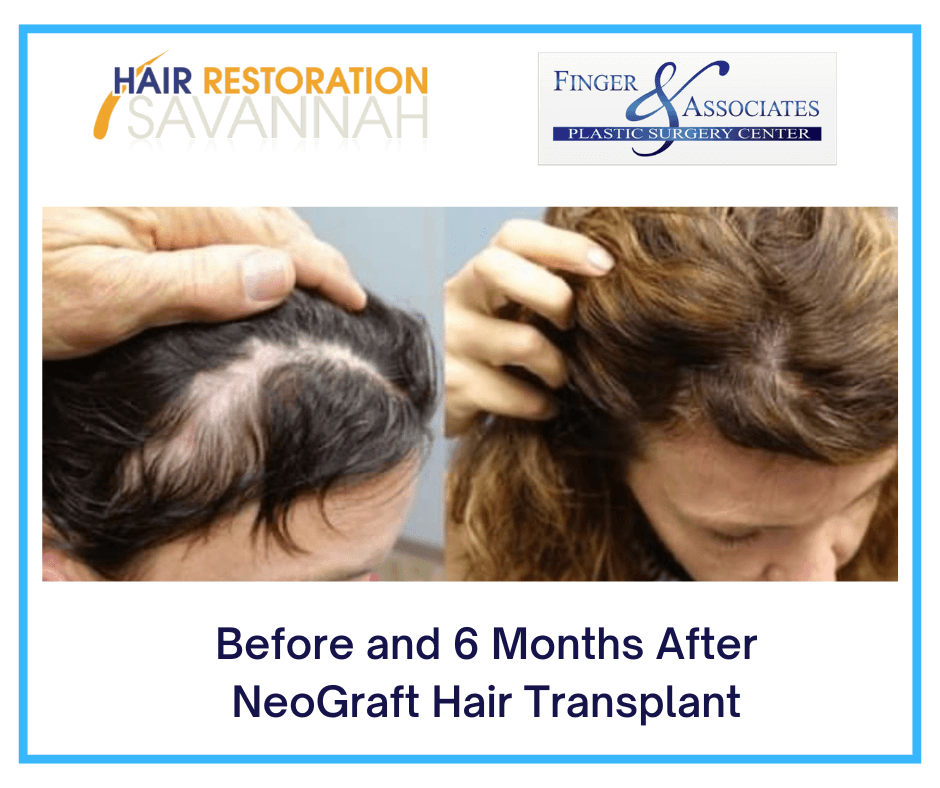
Hormonal Changes and Menopause
One of the most common causes of hair thinning in middle-aged women is hormonal change.
As women approach perimenopause and menopause, estrogen and progesterone levels begin to decline. These hormones play an important role in supporting healthy hair growth and maintaining the hair growth cycle.
At the same time, the relative influence of androgens, often referred to as male hormones, may increase. This shift can contribute to thinning hair, reduced hair density, and a widening part.
Many women first notice these changes during their 40s and 50s.
Female Pattern Hair Loss
Female pattern hair loss, also known as female pattern baldness or androgenetic alopecia, is one of the most common causes of hair thinning in women.
Unlike male pattern baldness, women typically do not develop a completely bald area. Instead, they often experience:
- Diffuse thinning throughout the scalp
- A widening part line
- Reduced hair volume
- Increased visibility of the scalp
- Gradual progression over time
- Genetics often play a significant role in this type of hair loss.


Stress and Hair Shedding
Physical and emotional stress can affect the hair growth cycle.
Significant stressors may include:
- Divorce
- Loss of a loved one
- Major illness
- Surgery
- Job loss
- Financial difficulties
- Significant weight loss
These events can trigger a condition known as telogen effluvium, which causes increased shedding several weeks or months after the triggering event.
While telogen effluvium is often temporary, persistent shedding should be evaluated by a qualified healthcare provider.
Thyroid Disorders
The thyroid gland helps regulate many important bodily functions, including hair growth.
Both hypothyroidism and hyperthyroidism can contribute to:
- Increased shedding
- Hair thinning
- Dry or brittle hair
- Changes in hair texture
Because thyroid disorders are relatively common among middle-aged women, laboratory testing may be recommended when evaluating hair loss.
Nutritional Deficiencies
Healthy hair growth requires adequate nutrition.
Low levels of certain nutrients may contribute to thinning hair, including:
- Iron
- Vitamin D
- Zinc
- Protein
- Vitamin B12
Women who have experienced significant weight loss, restrictive dieting, gastrointestinal conditions, or certain medical conditions may be more susceptible to nutritional deficiencies.
Medical Conditions and Medications
Several medical conditions may contribute to hair loss.
Examples include:
- Autoimmune disorders
- Polycystic ovary syndrome (PCOS)
- Thyroid disease
- Chronic illness
- Scalp conditions
Certain medications may also affect hair growth, including some blood pressure medications, antidepressants, blood thinners, and other prescription drugs.
Overprocessing and Hair Damage
Years of coloring, bleaching, heat styling, and chemical treatments can contribute to hair breakage and thinning.
While these practices may not always cause true hair loss from the follicle, they can make hair appear thinner and less healthy.
Proper hair care and minimizing excessive chemical or heat exposure may help improve overall hair quality.
When to Seek Professional Evaluation
Hair loss is not always a normal part of aging.
Women who notice increased shedding, a widening part, thinning hair, or changes in hair density should consider seeking professional evaluation.
A comprehensive assessment may help identify contributing factors such as hormone changes, nutritional deficiencies, medical conditions, genetics, or other underlying causes.
Early intervention is often beneficial because many forms of hair loss respond better when addressed before significant follicle miniaturization occurs.
Modern Hair Restoration Options for Women
Advances in hair restoration have created more options than ever before for women experiencing hair loss.
Depending on the cause and severity of hair loss, treatment options may include:
- Medical evaluation and laboratory testing
- Nutritional support
- Hormonal evaluation
- Platelet-rich plasma (PRP)
- Growth factor therapies
- Scalp health treatments
- Prescription medications
- Hair restoration programs
Hair transplantation in appropriate candidates
Because every patient is different, treatment should be customized to the individual’s diagnosis, goals, and stage of hair loss.
Take the First Step Toward Healthier Hair
If you are noticing thinning hair, increased shedding, or reduced hair volume, you are not alone. Hair loss affects women of all ages, but it becomes increasingly common during midlife as hormonal and physiological changes occur. Understanding the cause of your hair loss is the first step toward developing a treatment plan designed to support healthier, fuller-looking hair. Submit the form below to get started with your journey.